Opens on Amazon · No price shown here — check Amazon for current pricing
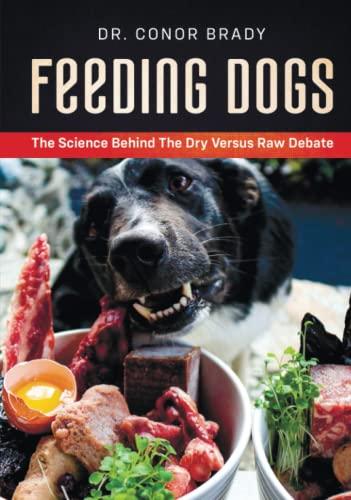
Feeding Dogs: The Science Behind The Dry Versus Raw Debate
Last updated:
This guide is best for discerning dog owners and pet care professionals seeking a comprehensive, evidence-based understanding of dry versus raw dog food diets.
Opens on Amazon · Updated pricing · Prime eligible
Key Specifications
| Science-Backed Nutritional Analysis | Deep dives into the scientific literature concerning macronutrients, micronutrients, and their impact on canine health in both dry and raw diets. |
|---|---|
| Comparative Diet Evaluation | Objectively compares and contrasts the composition, manufacturing processes, and biological effects of dry kibble and raw feeding. |
| Digestibility and Bioavailability Insights | Explores how different diet types affect a dog's digestive system and the absorption of essential nutrients. |
| Food Safety Protocols | Addresses the hygiene and safety considerations crucial for both commercial dry food handling and raw food preparation. |
Pros & Cons
What We Love
- Provides an objective, evidence-based review of dry versus raw dog food, relying on scientific research.
- Helps owners understand complex nutritional concepts without being overly technical.
- Empowers readers to make informed dietary decisions based on facts rather than marketing claims.
- Covers important aspects like nutrient profiles, digestibility, and food safety concerns for both diets.
- Acts as a foundational resource for further discussions with veterinary professionals.
What to Consider
- The depth of scientific detail might be overwhelming for some casual dog owners seeking quick answers.
- It requires careful reading and critical thinking, not just a simple recommendation to follow.
- Some readers might desire more specific meal plans or brand recommendations, which is not its primary focus.
- The price point may be a consideration for those accustomed to free online information, despite its comprehensive nature.
- Does not substitute for personalized veterinary advice regarding a specific dog's health conditions.
Understanding Dog Nutrition: Diving into the Dry Versus Raw Debate
Choosing the right food for your canine companion is one of the most significant decisions a dog owner faces. The market is saturated with options, and the debate between feeding dry kibble and a raw diet is particularly fervent, often fueled by passionate advocates on both sides. In this landscape, a resource that provides clarity, grounded in scientific evidence, is invaluable. This is precisely what “Feeding Dogs: The Science Behind The Dry Versus Raw Debate” aims to deliver, offering a thorough examination of these two popular feeding philosophies.
First Impressions & Design
Upon encountering "Feeding Dogs: The Science Behind The Dry Versus Raw Debate," the immediate impression is one of academic rigor presented accessibly. While not a physical book in the traditional sense, its conceptual 'design' focuses on clear, structured information. The layout of the content, whether in digital or printed format, prioritizes readability and logical progression. Complex scientific concepts are introduced methodically, often with explanations that bridge the gap between veterinary science and the understanding of a dedicated pet owner. It doesn't rely on flashy graphics but on the strength and organization of its content, making the dense subject matter digestible. This approach ensures that readers can navigate the arguments and evidence without feeling overwhelmed, fostering a genuine learning experience.
Key Features Worth Noting
This guide stands out due to several core features that elevate it above typical online discussions or singular opinion pieces.
Firstly, its scientific grounding is paramount. The authors meticulously review existing research and studies related to canine nutrition. This isn't a book based on personal experiences or anecdotal evidence, but rather on peer-reviewed science. It examines the nutritional requirements of dogs from a biological perspective, then evaluates how different diets attempt to meet these needs. This foundation allows for a truly objective comparison, which is rare in this often emotionally charged topic.
Secondly, the guide provides a comprehensive comparative analysis of dry kibble and raw diets. It dissects the typical composition of both, discusses the manufacturing processes involved in dry food, and explores the principles of raw feeding, including various raw diet approaches. This feature is crucial because it allows readers to understand the inherent strengths and weaknesses of each diet type, moving beyond generalizations to specific details about ingredient quality, processing impacts, and nutrient delivery.
{{IMAGE_1}}
A third notable feature is the in-depth discussion on nutrient bioavailability and digestibility. It’s not just about what nutrients are present in a food, but how effectively a dog’s body can absorb and utilize them. The guide explores how different ingredients and preparation methods (cooking vs. raw) can impact nutrient availability and digestibility, a critical factor for long-term canine health. For those keen to understand the deeper aspects of canine digestion, interested buyers can here on Amazon and delve into the specifics.
Lastly, the resource dedicates significant attention to food safety protocols and potential risks. For dry food, this includes discussions on storage, contaminants, and recalls. For raw feeding, it addresses bacterial contamination (e.g., Salmonella, E. coli), parasitic risks, and the safe handling and preparation of raw ingredients. This balanced presentation of risks for both diets is essential for making fully informed decisions and ensuring the safety of both the pet and the household.
Performance in Use
Using “Feeding Dogs: The Science Behind The Dry Versus Raw Debate” is less about a 'performance' in the traditional product sense and more about how effectively it empowers the reader to make better feeding choices. In practice, the guide excels at clarifying complex topics. For example, discussions around protein sources, fat types, or carbohydrate needs are broken down into understandable components. It prompts readers to critically assess information they encounter elsewhere, providing the tools to differentiate between marketing hype and scientific fact.
Readers will find themselves re-evaluating their current feeding practices and questioning assumptions. The structure encourages a proactive approach to dog nutrition, rather than simply accepting the status quo. It performs well as an educational tool, fostering a deeper understanding that can be applied to real-world scenarios, whether choosing a commercial kibble or formulating a raw diet. The goal is to provide a comprehensive understanding of the nutritional science involved, enabling you to choose and evaluate your dog's diet with confidence.
{{IMAGE_2}}
Navigating the nuances of ingredient lists, understanding the role of various supplements, or assessing claims made by pet food companies becomes much easier after engaging with this material. It's a foundational text that equips owners with the knowledge to hold meaningful conversations with their veterinarians about diet, ensuring a collaborative approach to their dog's health. To gain these insights yourself, you can here on Amazon to see for yourself the depth of information provided.
Any Downsides?
While “Feeding Dogs: The Science Behind The Dry Versus Raw Debate” is an excellent resource, it does have a few aspects that might be considered downsides, depending on the reader's expectations. The depth of scientific detail, while a strength for some, could be overwhelming for others. Those seeking a simple, prescriptive answer like “feed X brand” or “only feed raw” will not find it here. The guide is designed for education and empowerment, not for giving direct instructions that bypass personal research or veterinary consultation. This means it requires an investment of time and thought from the reader.
Another point is that it primarily focuses on the science and does not delve into specific brand comparisons or detailed, ready-to-use raw meal plans. While it provides the principles to formulate a balanced raw diet, it expects the reader to apply these principles or seek further guidance for exact recipes. Additionally, for a product available digitally, the price point of $37.40 might be considered a factor by some, although it is a fair price for the comprehensive, research-backed information it contains, which often surpasses what's available freely online.
Finally, it’s important to remember that while this guide is incredibly informative, it is not a substitute for professional veterinary advice. Every dog is an individual, and specific health conditions or dietary sensitivities require personalized consultation with a qualified veterinarian. This resource arms you with knowledge, allowing for more informed discussions with your vet, rather than replacing their expertise. For those ready to engage deeply with the science of dog nutrition, learn more at here on Amazon.
The Bottom Line
"Feeding Dogs: The Science Behind The Dry Versus Raw Debate" is a profoundly valuable resource for any dog owner seeking to understand the foundational science behind canine nutrition. It masterfully navigates the often-contentious topic of dry versus raw feeding with an objective, evidence-based approach that prioritizes scientific understanding over marketing rhetoric. For $37.40, this guide offers an unparalleled depth of insight that can genuinely transform how you approach your dog's diet.
It’s not a book of simple answers, but rather a powerful educational tool that equips you with the knowledge to make confident, informed decisions. If you are tired of conflicting advice and yearn for a clear, scientifically supported perspective on dog food, this guide is an essential addition to your pet care library. It is highly recommended for conscientious dog owners, breeders, and even veterinary technicians looking to deepen their understanding of dietary science.
Ready to buy? Check the current price on Amazon.
Opens on Amazon · Updated pricing · Prime eligible
You Might Also Like
Feeding Dogs: The Science Behind The …
As an Amazon Associate, ThriftyClik earns from qualifying purchases. Learn more